Product Description
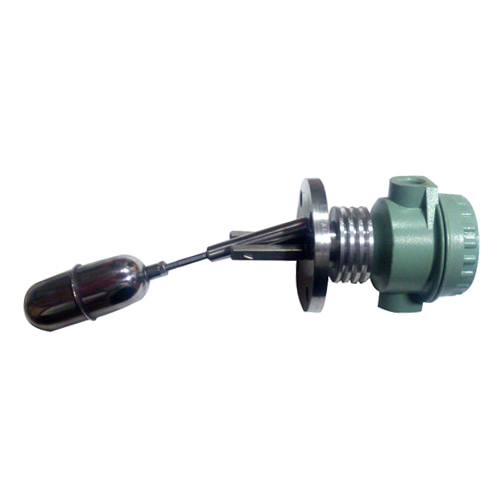
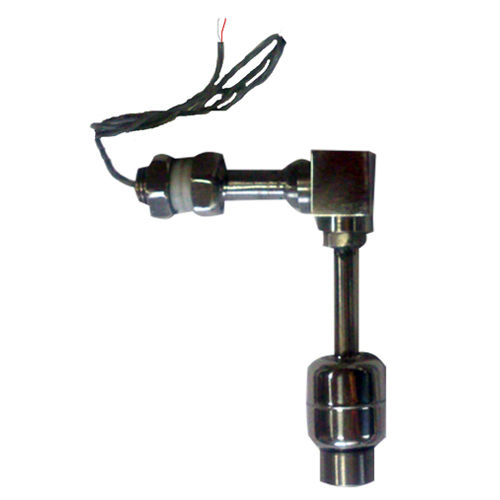
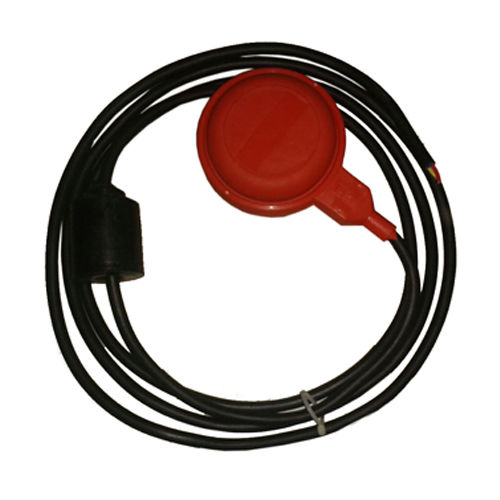
- Float type Level Switches are available in Side Mounted versions and Top Mounted Versions.
- These type of Level Switch are suitable for Non-Magnetic Fluids only.
- Process connection : Flanged, Thread end, Triclover clamp type or, L shaped clampt type
- MOC of Float, Stem and Stoppers: SS 304 , SS 316, PP, ptfe etc.
- Terminal Housing : Aluminium Housing, Flameproof Housing, DIN Plug or, Flying Leads
- Switching Contacts : SPDT or, SPST. Reed type or, Micro Switch type
- No. of Switches : In Verticle Mounted Version-One no. and two nos. are very common. But we can also give multiple level switches in a special case, but in Side Mounted Version-One switch onl
Note :To receive quick response, please provide your basic requirement details and max.Application information.Engineered for high-temperature operations, the MLS Level Switch handles environments up to 400C and offers long-lasting mechanical performance exceeding one million operations. Its explosion-proof and weather-proof options ensure reliable functioning even under challenging industrial conditions, making it ideal for critical applications in boilers and reactors.
Flexible Installation and Output OptionsThe switch features interchangeable process connections, accommodating 1 BSP and other options based on specific requirements. Both screwed and flanged mounting types allow seamless integration, while single or double pole circuit configurations support automatic operation. Potential-free reed switch output ensures safe and simple wiring, maximizing installation flexibility.
Safety and Automation ExcellenceWith IP68 protection for water and dust ingress, the MLS Level Switch is suitable for hazardous environments. Fast response time (<1 second), high insulation resistance (100M at 500V DC), and precise contact resistance (100m) contribute to safer automated liquid monitoring. Its automation grade and robust enclosure guarantee dependable performance for manufacturers, exporters, and service providers.
FAQs of MLS Level Switch for High Temperature application:
Q: How does the MLS Level Switch function in high-temperature liquid tanks?
A: The MLS Level Switch uses a float mechanism and reed switch technology to accurately detect liquid levels in tanks, boilers, and reactors with operating temperatures up to 400C, ensuring reliable process control in extreme environments.
Q: What are the available process connection options for installation?
A: The standard process connection for this switch is 1 BSP, but other connections can be requested. Both screwed (BSP/NPT) and flanged mounting options are available for versatile installation according to site requirements.
Q: Where can the MLS Level Switch be effectively used?
A: This level switch is ideal for use in boilers, chemical reactors, high-temperature storage tanks, and other industrial applications requiring accurate monitoring and control of liquid levels at elevated temperatures.
Q: What are the benefits of the explosion-proof and weather-proof enclosure?
A: Choosing the optional explosion-proof and weather-proof enclosure enhances safety by protecting the switch from harsh environmental factors such as dust, moisture, and potentially hazardous areas, ensuring longevity and compliance with safety standards.
Q: How is the output from the MLS Level Switch utilized in automation systems?
A: The switch provides a potential-free reed switch contact, which makes it easy to integrate into automated systems using SPST or SPDT circuit types. This ensures reliable, isolated signaling to controllers in automated liquid monitoring processes.
Q: What factors contribute to the MLS Level Switchs long operational life?
A: Its high-quality materials, robust enclosure, and advanced reed switch mechanism allow for over 1,000,000 mechanical operations, ensuring durability and minimum maintenance over extended use in industrial settings.
Q: When should a custom cable entry or mounting option be selected?
A: Custom cable entry (PG9/PG13.5 or as required) and mounting options should be chosen during installation planning to match specific site configurations, wiring needs, and integration with existing equipment, facilitating efficient and safe deployment.











 Send Inquiry
 Send Inquiry
 Send SMS


