Product Description
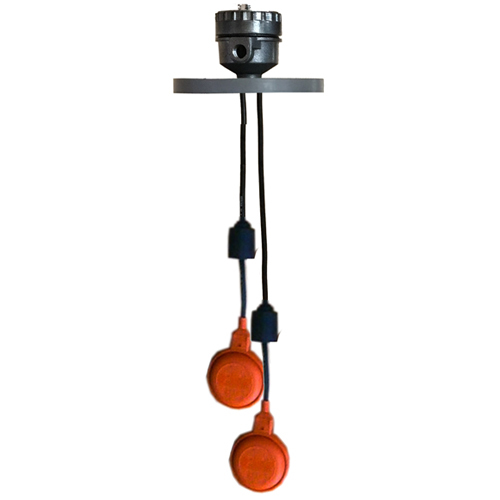
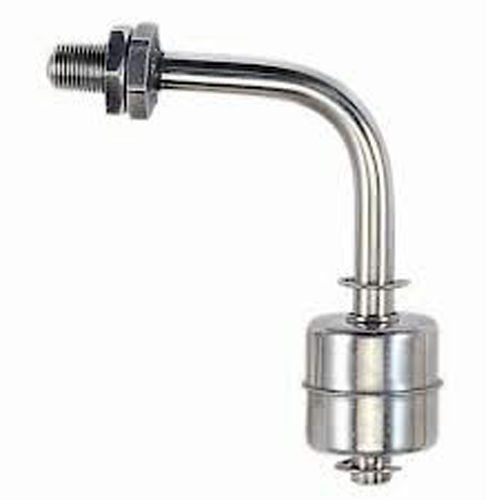
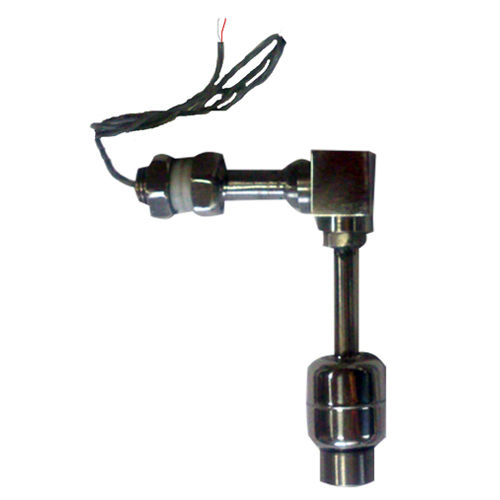
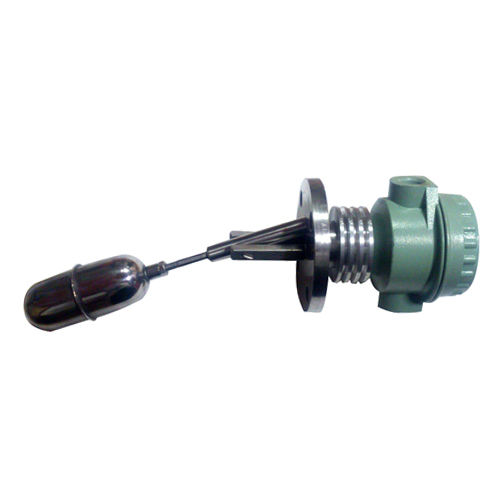
Float Type Level Switches
Leveraging on our vast industry experience, we are providing Float Type Level Switches that is widely used to find out the level of liquid within a tank. These switches are designed and manufactured under the supervision of accomplished engineers with the aid of cutting-edge technology. We offer these Float Type Level Switches in diverse specifications and can be personalized as per the application necessities of the clients at industry leading rates.
Key Features:
- Sturdy design
- Dimensional accuracy
- Durability
- High performance
Specifications:
- Contact parts : SS 304, SS 316 or, PP
- Mounting : Side mounted, Top mounted or, Bottom mounted
- Switch type : Reed operated or, Micro Switch operated
- Process connection : Threaded, Flanged or, TC type
- Type of enclosure : Aluminium Weatherproof, Flameproof or, Flying Leads
Note :To receive quick response, please provide your basic requirement details and max.Application information.
Robust Design & Versatile MountingThese Float Type Level Switches are engineered for high durability and reliability, meeting IP65/IP68 standards for dust and water protection. With versatile vertical or horizontal mounting options, users can integrate these switches seamlessly into various tank systems. The polished or matt finish ensures resistance to corrosion and aesthetic appeal, suitable for harsh environmental conditions.
Precision and Fast ResponseWith a stroke range of approximately 10mm to 40mm and a rapid response time of 2 ms, these switches provide precise and timely liquid level detection. Their SPST or SPDT circuit types allow for flexible control methods, making them ideal for both simple and complex process automation requirements in industries throughout India.
Comprehensive After-Sales SupportAs a trusted dealer, distributor, exporter, manufacturer, service provider, and supplier in India, we ensure top-notch customer service and technical support. Our team provides guidance on installation, troubleshooting, and maintenance, ensuring optimal switch performance and prolonged service life.
FAQs of Float Type Level Switches:
Q: How are Float Type Level Switches installed for optimal performance?
A: Float Type Level Switches can be mounted vertically or horizontally, depending on the tank design and required application. Ensure the switch is securely fixed at the correct height so the float operates within the designated stroke range (10mm40mm), and wiring is done as per the circuit type (SPST or SPDT) guidelines.
Q: What safety features do these level switches include?
A: These switches include an insulation resistance of 100M (at 500V DC) and an IP65/IP68 protection rating, safeguarding against electrical shocks, dust, and water ingress. Their robust design also contributes to long mechanical life and dependable performance under a variety of industrial conditions.
Q: When should I use a Single Pole (SPST or SPDT) circuit configuration?
A: Choose SPST or SPDT circuit types based on your control requirements. SPST is ideal for straightforward on/off control, while SPDT supports systems where switching between two circuits is necessary. Both configurations are compatible with manual or automatic process setups.
Q: Where can these Float Type Level Switches be used?
A: These switches are suitable for use in industrial tanks, water treatment plants, chemical storage units, and a variety of commercial fluid management systems across India, thanks to their high durability and resistance to challenging environments.
Q: What is the process for maintaining these level switches?
A: Periodic inspection of the float mechanism and cleaning of debris will help maintain optimal performance. Check wiring and connections to ensure insulation resistance remains high. Mechanical parts should be checked for wear and replaced after extensive use, especially beyond 1,000,000 operations.
Q: What are the benefits of using a Float Type Level Switch with fast response time?
A: A response time of 2 ms enables immediate liquid level detection and quick actuation, minimizing the risk of spills or equipment damage. This is particularly advantageous in automated systems requiring rapid and reliable fluid level control.











 Send Inquiry
 Send Inquiry
 Send SMS
 Call Me Free


